
On Good Authority
15 July 2026
Hi there,
Welcome to a new edition of On Good Authority. This fortnight, we cover developments in clean energy, emerging workforce challenges across the sector, and First Nations leadership and opportunities in the transition. We also take a closer look at the Safeguard Mechanism and the Authority’s recently released 2026 Annual Progress Advice consultation paper.
For further news and updates please follow us on Facebook, Instagram and LinkedIn.
Authority news
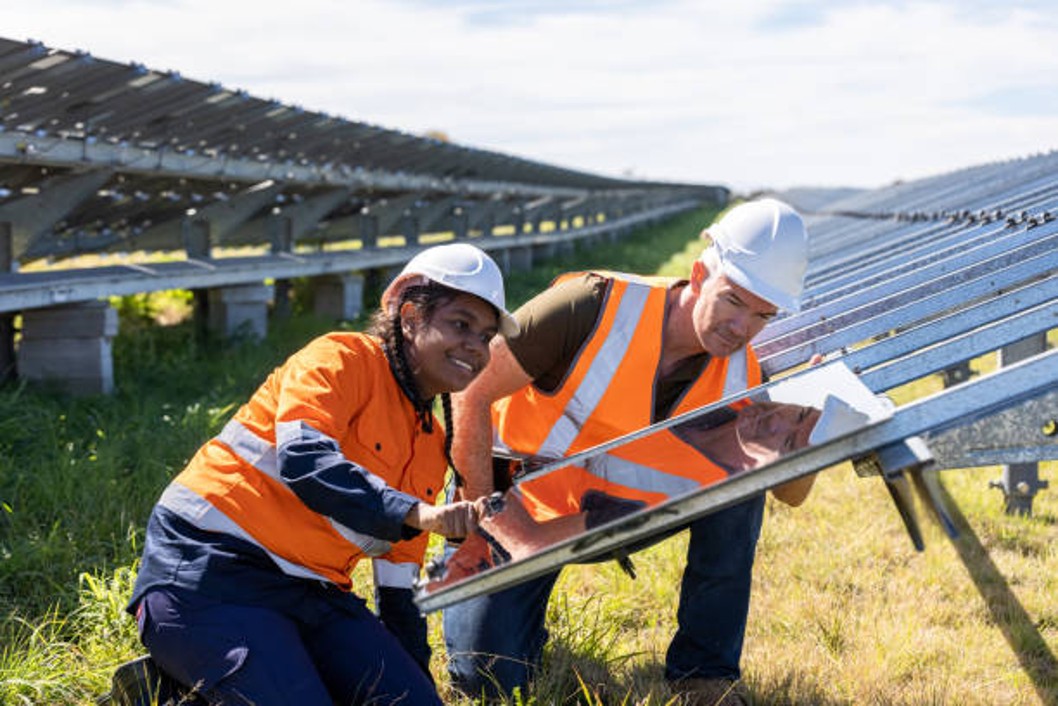
This month, we celebrate NAIDOC Week - recognising the history, cultures and achievements of Aboriginal and Torres Strait Islander peoples. We acknowledge the importance of First Nations knowledge and stewardship of Country in building a more resilient and sustainable Australia.
Our CEO Kath Rowley recently attended London Climate Action Week, one of the world’s largest climate events focused on practical action to reduce emissions, build resilience and mobilise climate finance. Kath met with leaders from other independent climate councils to draw on their experiences, share lessons from Australia, and workshop opportunities and challenges in the transition to net zero. She returned with a renewed sense of perspective (did you know Ukraine has a Green Transition Office, planning a low carbon rebuild after the war?), challenge (London was in the grip of a record heatwave) and possibility (the coalition of not just the willing, but the doing, is growing every year).
Closer to home, Deputy CEO Eliza Murray spoke at the Pilbara Summit, highlighting the Authority’s work on decarbonisation deals and economic opportunities in the net zero transition. The session explored how the Pilbara could leverage its natural advantages to support low-emissions industry and future prosperity.
We’re also excited to launch our new Stakeholder Engagement Strategy 2026-29. The strategy outlines how we will strengthen engagement so that our advice is informed by diverse perspectives, robust evidence and real-world experience – because better conversations lead to better climate policy.
Fast fact
450,000
clean energy jobs by 2030 – one third of all job growth in Australia
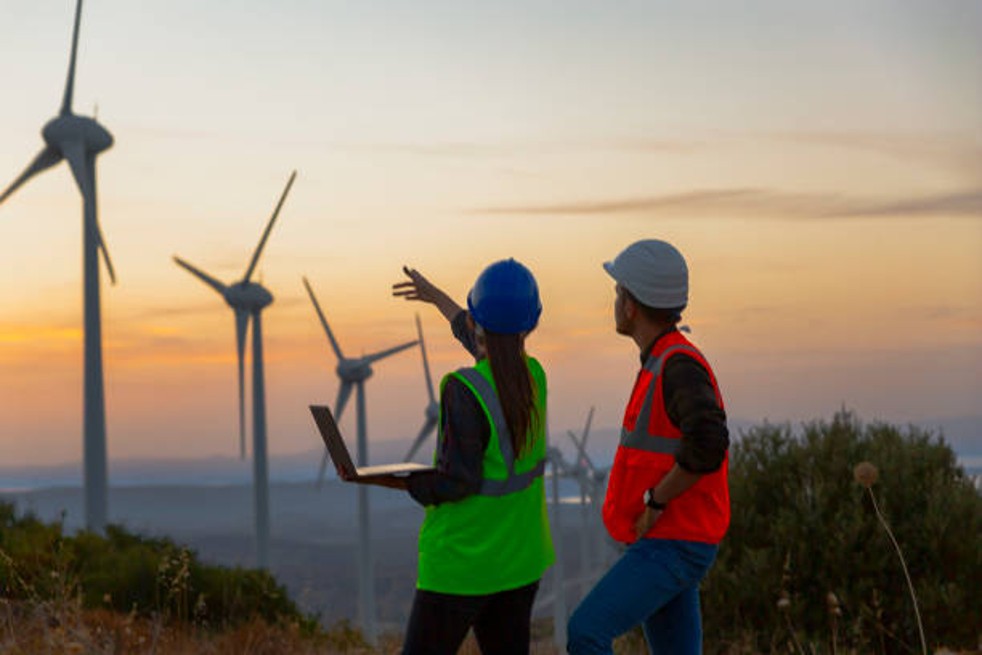
The renewable energy employment sector is experiencing a massive boom, with clean energy jobs expected to account for a third of all job growth in Australia by 2030.
News in brief
Powering up: First Nations take stake in clean energy shift
The Clean Energy Finance Corporation has committed $15 million, through Bank Australia, to support the Nari Nari Tribal Council's restoration of The Great Cumbung wetlands in south-west NSW. The project will store carbon, improve biodiversity and strengthen cultural stewardship through Indigenous-led land management.
A recent First Nations Clean Energy Network webinar also highlighted new Capacity Investment Scheme tenders that have set aside projects for First Nations ownership or revenue-sharing.
Research warns of future heat risks in Sydney apartments
As Australia experienced an unusually warm June, new research suggests many Sydney apartments built to current standards could become too hot for extended periods by the 2050s. The study found apartments could overheat for up to 4 weeks a year in inner Sydney and more than 7 weeks a year in western Sydney. Researchers say current building standards do not fully account for future climate conditions. More climate-responsive design and policies would help make buildings more resilient to extreme heat.
Cleaner and cheaper: ISP charts the grid’s future
Renewable energy and storage backed by gas remains the cheapest way to supply electricity, according to the Australian Energy Market Operator’s 2026 Integrated System Plan (ISP). The plan forecasts grid-scale wind and solar growing from about 23 GW today to nearly 120 GW by 2050, while electricity demand almost doubles.
Green light for Hunter hydrogen hub
A major renewable hydrogen project in the Hunter Valley is moving ahead, with Orica confirming a final investment decision on its hydrogen hub. Backed by up to $432 million from ARENA, the project will use a 50 MW electrolyser powered by renewable energy to produce around 4,700 tonnes of hydrogen a year. The hydrogen will replace gas in ammonia production at Orica’s Kooragang Island facility, helping cut emissions in heavy industry.
From diesel to electric: plan to cut farm costs and risk
Speeding up farm electrification could cut energy costs and improve fuel security, according to a new Farmers for Climate Action report. The report highlights farmers’ reliance on imported diesel as a risk and calls for more investment in locally produced energy. It recommends capping annual fuel tax credit claims to $50 million for each claimant and setting aside budget savings to help farmers adopt low-emissions practices and technologies. This recommendation draws on the Transition Tax Incentive report and aligns with recent calls from Fortescue to cap large diesel tax credit payments to major mining companies.
Skills crunch for clean energy workforce
Skills shortages are emerging as a key challenge for the clean energy transition, according to a new International Energy Agency report. Demand is growing across renewables, electricity grids and energy efficiency, with needs evolving for both technical and transferable skills. The report highlights barriers including limited access to training and workforce planning gaps. It also points to the need to attract more people into energy careers to support the future energy system.
Pick of the pod
Switched On: China bets big on green hydrogen: Analyst reaction
China is scaling up green hydrogen fast. This short podcast unpacks what it means for global markets and Australia’s place in the race.
Our feature this week
Have your say on climate progress for Australia’s biggest emitting facilities
The Safeguard Mechanism requires Australia’s highest greenhouse gas emitting facilities to reduce their emissions in line with Australia’s emissions reduction targets.
Under present settings, the 200-plus sites that emit more than 100,000 tonnes of carbon-dioxide equivalent annually are required to reduce their net emissions at the rate of 4.9% a year out to 2030.
With the mechanism’s current settings, the scheme will deliver about 28% of Australia’s goal of slicing 43% off our 2005 level of emissions by 2030.
The Government is required to set the scheme’s decline rate in five-year blocks based on consultation and advice from the Climate Change Authority. The next block, covering the 2031-2035 period, must be finalised by July 1 next year.
And that’s where the public comes in. The Authority has just released the consultation report for our 2026 Annual Progress Advice.
We want to hear from you as we prepare our advice on how Australia can meet its climate goals. One component of this advice contributes to the Government’s 2026-27 Safeguard Mechanism review, specifically: the appropriate settings for the decline rate, and onsite emissions reductions at Safeguard facilities.
When it comes to the Government’s review, should the rate of emissions decline be accelerated? Should more facilities be brought into play by lowering the threshold below 100,000 tonnes of CO2-e? Should the Safeguard Mechanism further incentivise emissions reductions on site, rather than allowing carbon offsets to meet the compliance requirements?
More broadly, how might the Safeguard Mechanism be better integrated into other government programs, such as the Future Made in Australia funding? We are looking for opportunities that position Australian businesses as beneficiaries of the global transition to net zero. The Authority's decarbonisation deals initiative showcases one such opportunity.
We want to understand how industrial decarbonisation can be due to a shift towards low-carbon equipment, rather than a drop in production output.
The long-term trajectory will also make a difference to Australia’s overall climate action. That includes the nation’s goal of lowering 2005-level emissions between 62%-70% by 2035.
For instance, as preliminary analysis in our consultation paper notes, to align with the lower end of the 2035 target range, an annual decline rate of 4.5% for emissions from facilities covered by the Safeguard Mechanism for the 2031-35 period may suffice.
However, a reduction track of about 7% yearly may be required if we were to hit that upper end of the 2035 target range. Both calculations are based on continuing Safeguard industry’s contribution of about 28% of total emissions reductions.
With so many moving parts, you can understand why the Safeguard Mechanism will likely draw a lot of debate. We would love readers of OGA to have their say on how to limit emissions, while keeping our industries moving!
Submissions are open until 9 August 2026.
What do you think of OGA?
Acknowledgement of Country
The Authority recognises the First Nations people of this land and their ongoing connection to culture and country. We acknowledge First Nations people as the Traditional Owners, Custodians and Lore Keepers of the world's oldest living cultures, and pay our respects to their Elders—past and present.
Follow us on
Unsubscribe
Built with
